Writings on Bijoya Chaudhuri’s music
Bijoya Chaudhuri’s contribution, as a singer, to the modern song and especially to the Tagore song has been in the air for decades, part of a conversation among singers, writers, and artists, but only barely a part of the written record. There was, for instance, the poet Utpal Basu’s observation, made to her son Amit Chaudhuri, about first discovering her recordings by chance on the radio: ‘I used to think there were three’ – by which he meant the women singers who were definitive for a generation: Suchitra Mitra, Kanika Bandopadhyaya, and Nilima Sen – ‘and then I realised there were four. ’
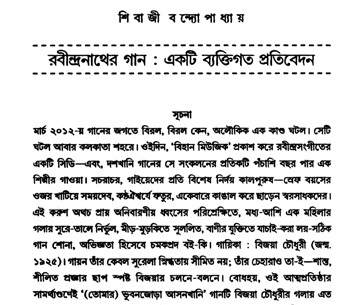
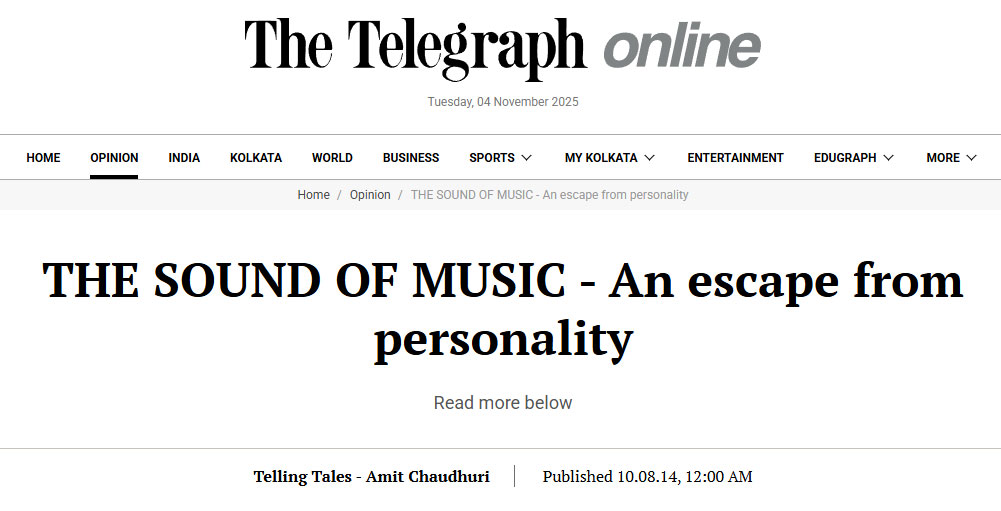
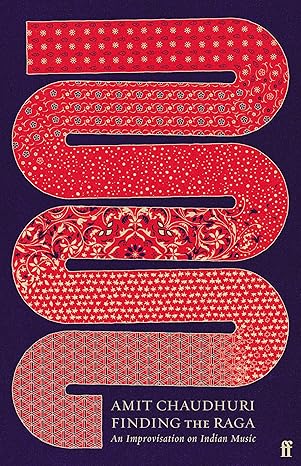
Here are some essays and writings on Chaudhuri’s achievement. The first is by the critic Sibaji Bandhyopadhyay – the prompt of this essay, which is a history of female artistes and the Tagore song, is his discovery on YouTube of Chaudhuri’s recording of eso nipobone, followed by his repeated and obsessive replays of the song. Also on this page are an essay by Amit Chaudhuri on his mother’s, and Subinoy Roy’s, inculcation of impersonality as a musical-spiritual aim through the Tagore song; and further thoughts on this in a chapter from Amit Chaudhuri’s book on Hindustani classical music, Finding the Raga.

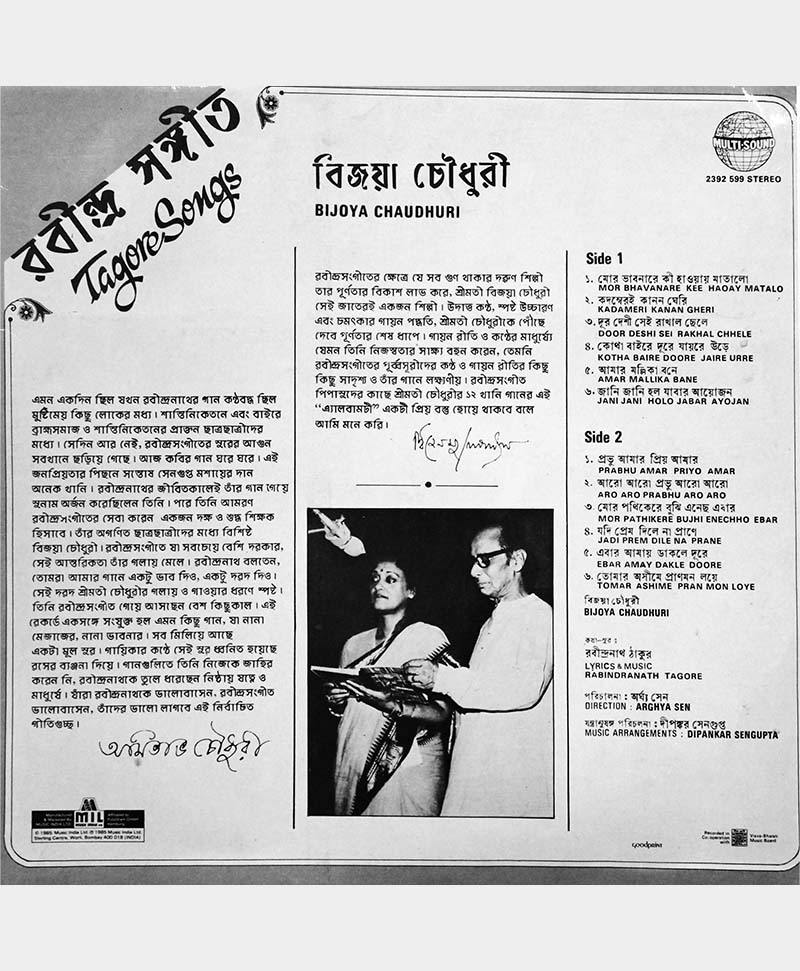
Liner notes for Bijoya Chaudhuri’s first LP of Tagore songs, 1985.
The liner note in the photo above, written by Amitabha Chowdhury, eminent journalist and Tagore scholar who was awarded the Padmasree in 1983, is translated below by Rosinka Chaudhuri:
There was a time when Rabindranath’s songs were recorded by only a handful of people in Santiniketan, and, outside it, by those who belonged to the Brahmo Samaj or were formerly students of Santiniketan. Those days are no more, and the flames of Rabindrasangeet have spread everywhere. Today, the poet’s songs are in every home. A great contribution to this popularity was made by Mr Santosh Sengupta. He had made a name for himself by singing his songs while Rabindranath was still alive. Later, he served the cause of Rabindrasangeet all his life as a teacher who was a skilled purist. Among his countless students, Bijoya Chaudhuri stands out. Her voice contains a certain inward authenticity (antarikata) which is the most essential component of Rabindrasangeet. Rabindranath used to say, you must give some feeling, some tenderness, to my songs when you sing. That feeling is clearly present in Srimati Bijoya Chaudhuri’s voice and way of singing. She has been singing Rabindrasangeet for some time now, and she presents, in this record, a compilation of a selection of songs which are reflective of different moods and aspects that are bound together by a fundamental tunefulness. That tunefulness reverberates in the singer’s voice through an expression of rasa. In these songs, she has not put herself in the forefront; she has given us, with fidelity, care, and sweetness, Rabindranath. All those who love Rabindranath, who love Rabindrasangeet, will appreciate the selection in this album.
– Amitabha Chowdhury